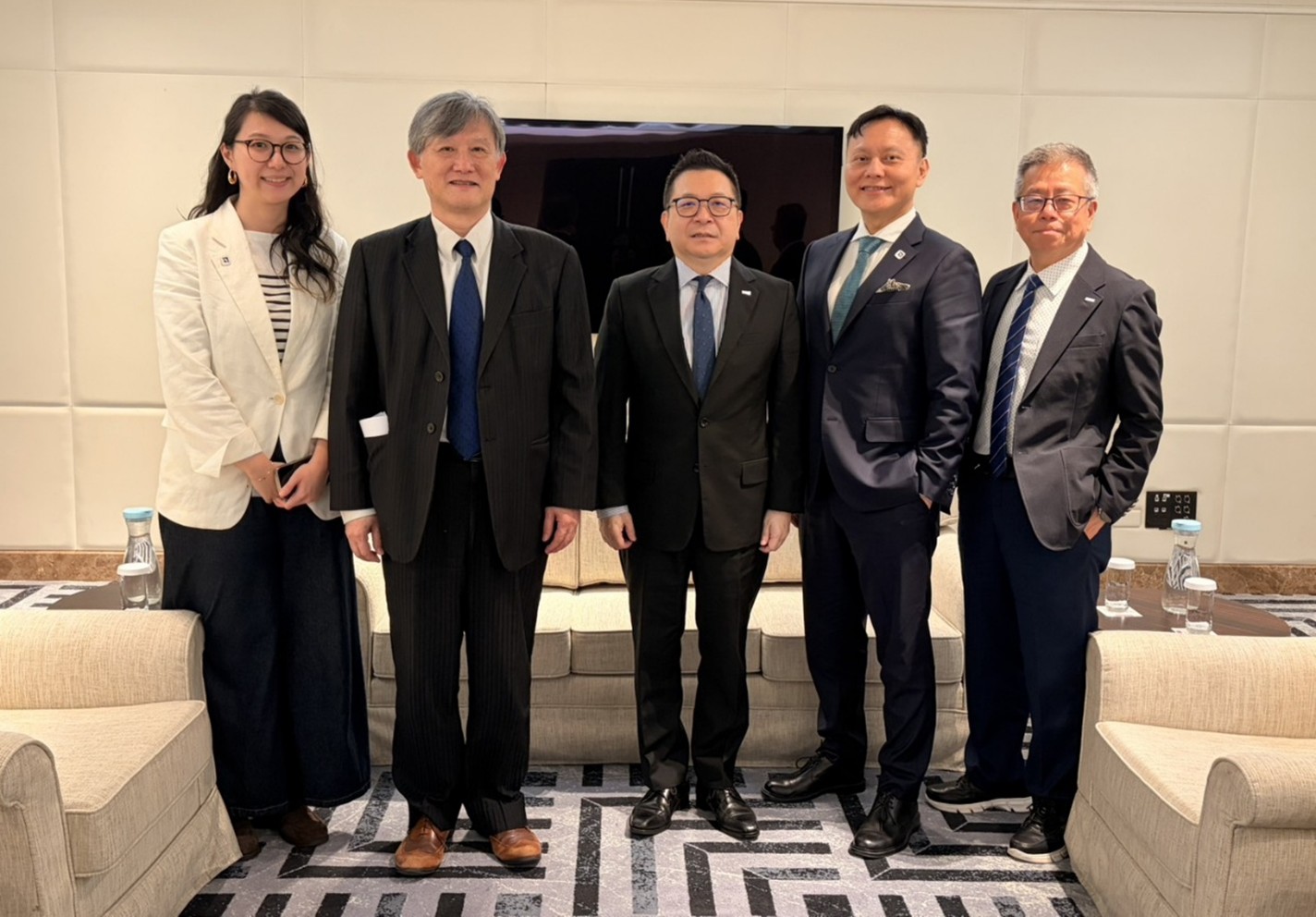
In the game of the global capital market, the disclosure of environmental information is not only a reference item for enterprises but also a crucial evaluation indicator to gain international funds and orders from the supply chain. On April 10, 2026, the Taiwan Stock Exchange (TWSE) joined hands with CDP and BCSD Taiwan to launch the “2026 CDP Awards” for the 3rd consecutive year, with over 400 decision-makers and sustainability practitioners of enterprises participating. This year is the 25th anniversary of CDP; for the past 25 years, CDP has been promoting global governance through transparent environmental data. At present, investment institutions with assets under their management of over US$127 trillion make their decisions based on CDP’s data. In the global competition, Taiwanese enterprises are exhibiting a significant growth trend.
Connect to International Standards: Grade A Taiwanese Enterprises Exhibited Leadership in Environmental Management
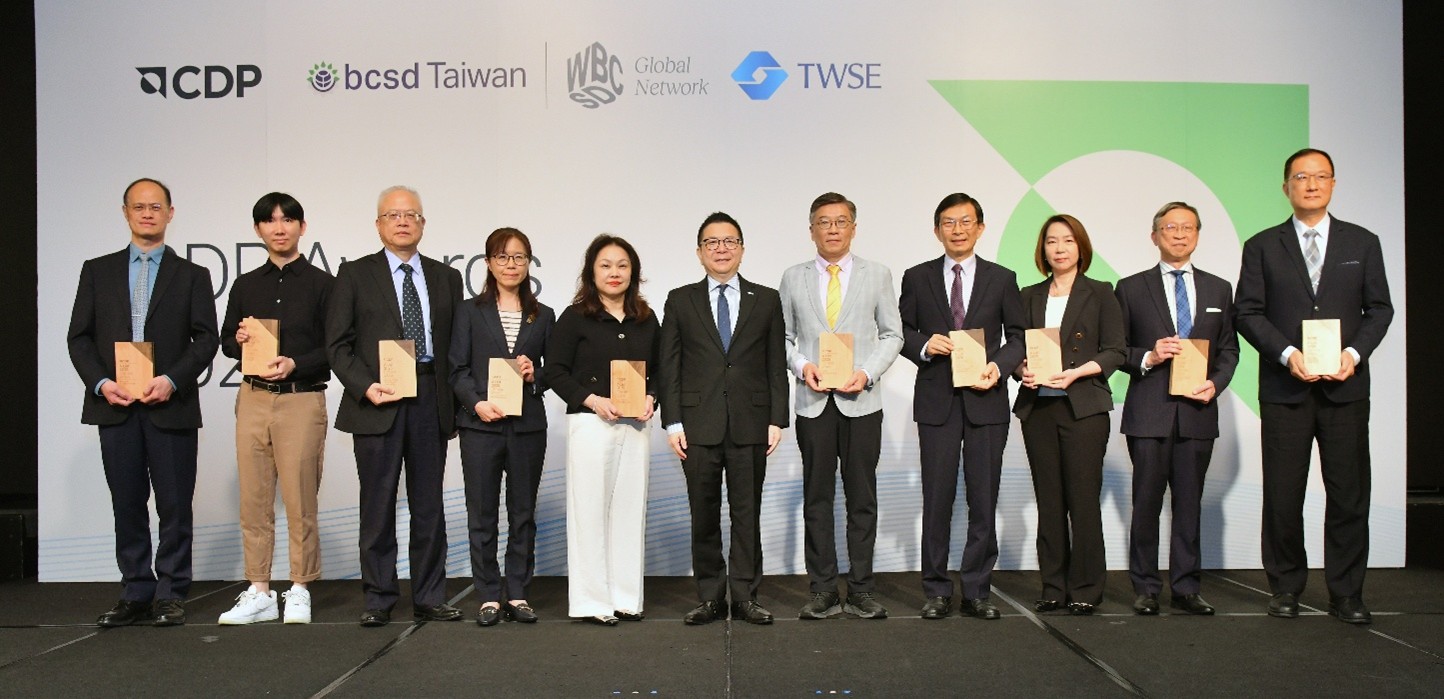
According to the latest data, the number of Taiwanese enterprises that made the CDP A-List surged from 20 in 2023 to 39 in 2024, and to 61 this year, reaching an excellent performance of threefold growth within a short period of two years. This year, one enterprise won the “3A” rating, while 21 won the “2A” rating, reaching a historic high in terms of performance. The winning enterprises cover the technology, financial, and traditional manufacturing industries, showing that the sustainability strength in Taiwan covers diverse industries. Chairman Sherman Lin of the TWSE stated in his speech, “This is more than just a rating result; it shows that Taiwanese enterprises have evolved from information disclosure to leadership with management practices in terms of environmental issues.” Enterprises have exhibited proactive responses to connecting with international trends, and will release accurate signals of sustainability resilience to global investment institutions, further enhancing the attraction of the capital market in Taiwan.
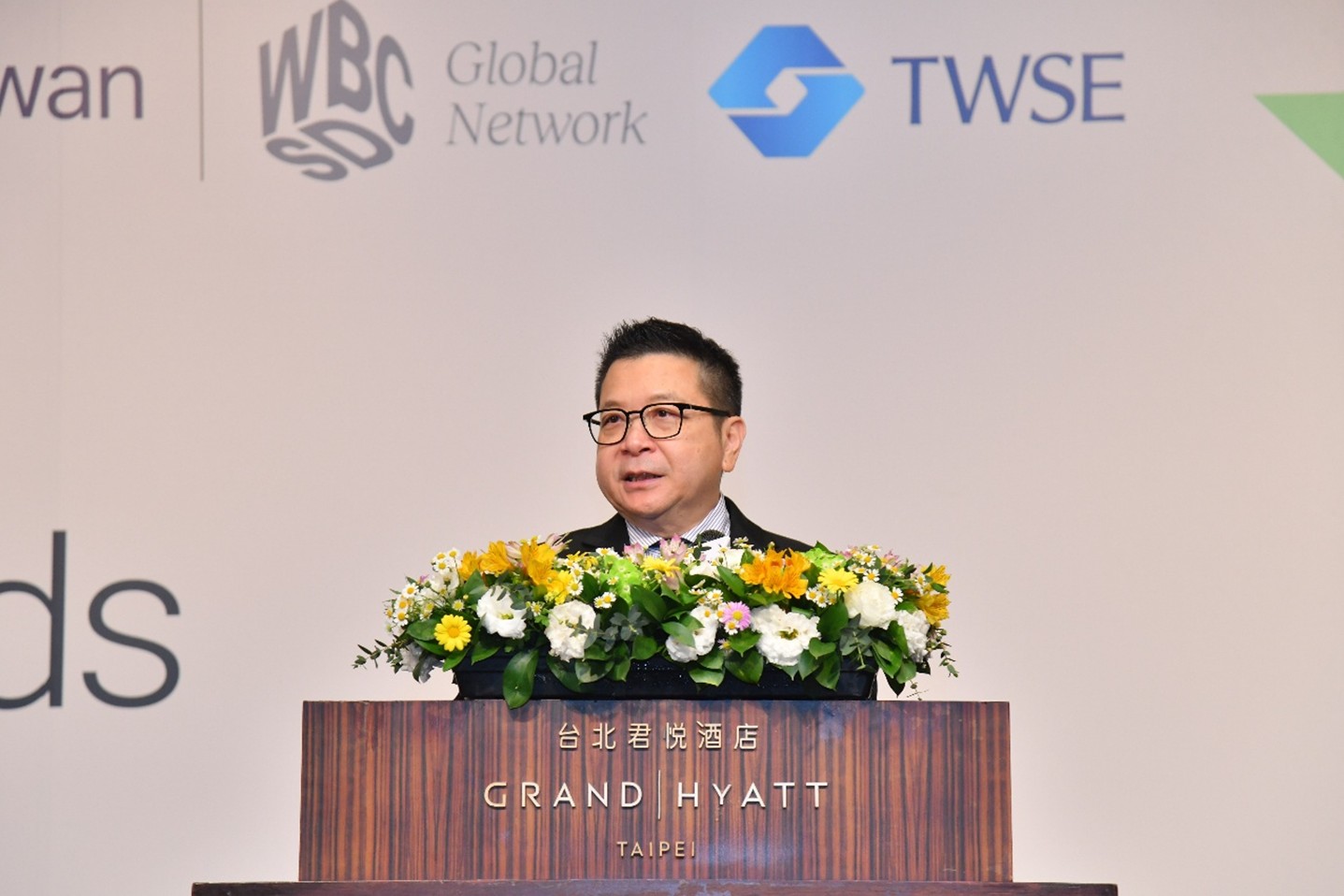
As a promoter of the capital market, the TWSE is deeply aware of the challenges that enterprises face in connecting with international standards. As emphasized by Chairman Lin, the TWSE issued the “CDP’s Analysis Report Responding to IFRS S2” in cooperation with CDP and BCSD Taiwan, organized a program tour across Taiwan to assist enterprises in solving the Scope 3 GHG inventory difficulties, and provided a series of assisting resources with a focus on climate risk analysis and other corporate pain points to reduce the compliance costs of enterprises. Through the integration of the ESG ecosystem, the relevant resources are transforming into an international competitive strength for Taiwanese enterprises.
Guest Lecture: Review of CDP’s 25th Anniversary and Prospects of the Positive Earth Action Plan
One of the highlights of the ceremony was the insights shared in the lecture by Dennis Wan, Director of Capital Markets of CDP in the Asia-Pacific region. He specified that leading enterprises and lagging enterprises have significant differences in terms of their abilities to “identify business opportunities,” and that the amounts of potential business opportunities identified by Grade A enterprises worldwide are 20 times the amounts identified by other enterprises, and their carbon reduction speed is 12 times faster.
Dennis specifically mentioned the concept of “nature positive action.” He considers climate, water, and forests to be the “trinity,” and believes that enterprises cannot merely address carbon reduction alone. With the formal integration between the CDP questionnaires and IFRS S2 standards in 2024, data disclosures in the future will be linked to financial information, and higher precision will be required. He reminded enterprises that “nature risks are financial risks;” if natural capital is not included in the governance structure, enterprises will face higher capital costs and operational risks.
Corporate Seminar: Internalize Climate Information as Decision-Making Tools for Operations
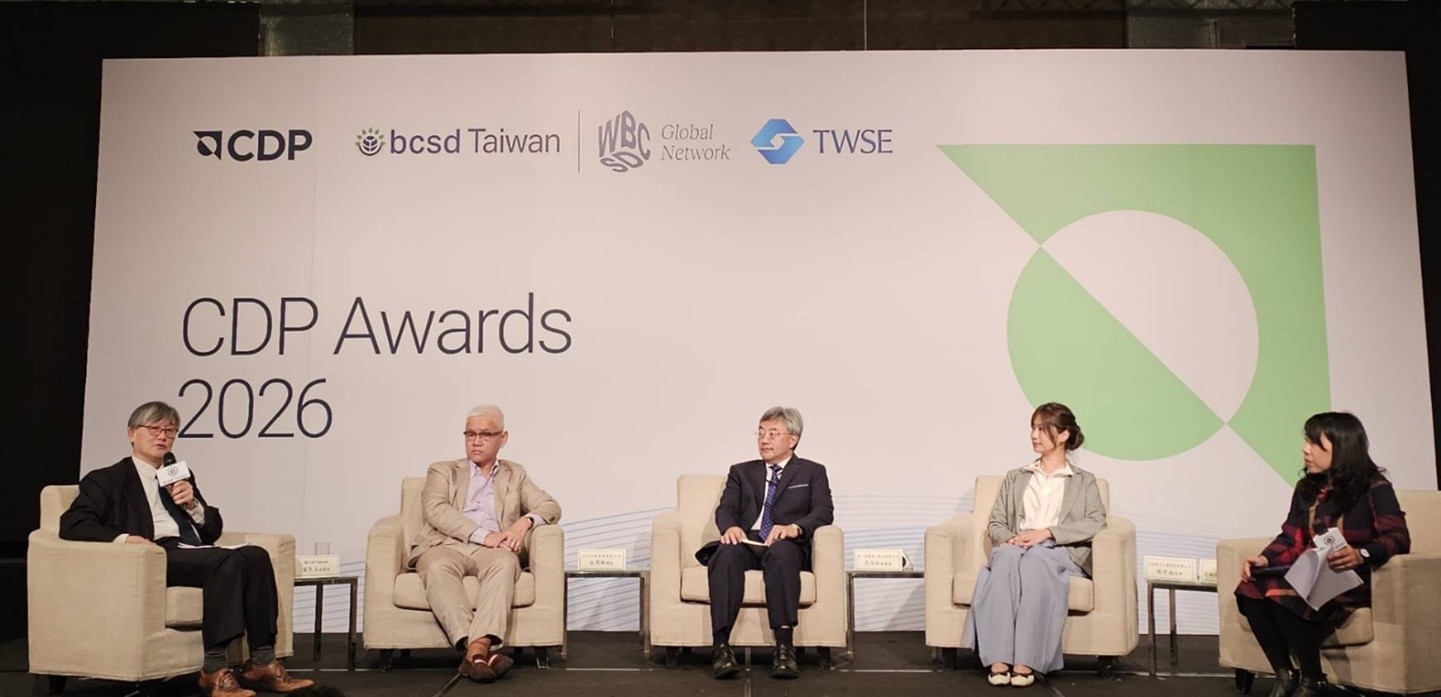
At the corporate seminar hosted by Song Wan-Yu, supervisor of the requesting party of CDP in the Asia-Pacific region, four experts from different fields commenced an in-depth conversation on “how to internalize environmental data as a decision-making basis.”
FFHC: Financialize Environmental Risks with the LEAP Structure
Kao Mao-Sung, Deputy Director of the General Affairs Division of FFHC, shared that FFHC – as the first enterprise in Taiwan to receive a “3A” rating for climate, water, and forests – attributed the excellent performance of its disclosures in the forest questionnaire to making good use of the LEAP structure. FFHC combined government data through the internal ESG application platform to precisely position the surrounding ecological risks of loan customers. According to Deputy Director Kao, “climate is a result, and nature is the source.” FFHC included environmental risks in its credit loan review and led capital flows to resilient enterprises, allowing data to become the true basis for decision-making.
Delta: Sustainability Resilience is Driven by Corporate Governance
Mona Yang, manager of Delta, mentioned that the key to Delta obtaining excellent performance in the CDP evaluation lies in the “high level of participation of the board of directors” and the “internal carbon fee” system. Delta also included sustainability indicators in the KPIs of different business departments to establish a comprehensive management system. “We make disclosures not only for the report but for optimizing energy efficiency through the self-examination of data;” such practices of systemizing environmental objectives allow Delta to continue to possess a competitive advantage in the ever-changing landscape of the supply chain.
Mt. Stonegate Green Asset Management: Data is the Compass for Enterprises to Enter New Markets
Director Jules Chuang from Mt. Stonegate Green Asset Management deemed CDP data to be an important reference for core decisions from the perspective of data applications. When enterprises plan to enter Japan, Southeast Asia, or other new markets, they can utilize the benchmark analysis from CDP to understand the local green electricity regulations, water resource control, and environmental risks of peers. “CDP data can assist enterprises in making prospective decisions when facing uncertain changes in geopolitics and environmental regulations while building in-depth trust relationships with partners within the supply chain.”
BCSD Taiwan: Establish a “Business Case” to Solve Internal Gaps
Secretary General Tony Mo from BCSD Taiwan proposed his viewpoint on sustainable transformation practices: “Sustainability transformation cannot merely rely on concepts, and a ‘business case’ should be established.” He observed that sustainability departments often have gaps with the financial and sales departments. Therefore, it is necessary to transform ESG issues into financial impacts, operating efficiency, and business growth directly related to operations. For example, evaluating whether changes in regulations result in fines, whether recycling reduces costs, or whether disclosures required by customers affect order-taking. He suggested that enterprises should identify the three to five most crucial KPIs first to ensure the accuracy and relevance of their data.
Survival Tips for SMEs: Start by Solving Pain Points
For SMEs with relatively fewer resources, the participating experts consistently agreed that questionnaires should not be deemed a burden. Panelists recommended combining environmental indicators with the “digital transformation” of enterprises and utilizing automated tools to collect data. Panelists also reminded those responsible for sustainability within enterprises that they must link ESG with the risks most concerning to operators (such as losing orders). When management is aware that ESG risks may affect market participation opportunities, investing resources will no longer be difficult.
Conclusion: Grasp Development Opportunities in Ever-Changing Global Situations
The ceremony is more than an exhibition of achievements; it is an action-oriented consensus for sustainable transformation. Emphasized by Chairman Lin Shyh-Ming, the TWSE will continue to optimize the “ESG ecosystem” and assist Taiwanese enterprises in internalizing sustainable management as a core competitiveness.
As “net zero” and “nature positive” become material trends in the global capital market, Taiwanese enterprises have transformed from merely complying with international standards in the past to becoming active practitioners with environmental governance influence. Data control, brave disclosures, and active transformation will be the keys to the leadership of Taiwanese enterprises in the new blue sea of sustainability.